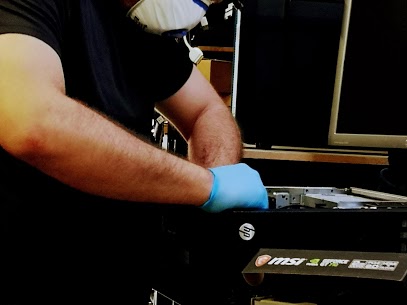
What Is ITAD? IT Asset Disposition Explained
What is ITAD? ITAD stands for IT asset disposition. It is the managed process organisations use to retire unwanted IT equipment. It combines asset identification, secure data sanitisation, reuse or recycling, and records of the final outcome.
Businesses also use the term IT asset disposal. However, a complete ITAD program goes beyond removing old computers. It manages the equipment, the information it holds and the evidence your organisation needs.
What is ITAD used for?
Organisations use ITAD during technology upgrades, office relocations and data centre closures. For example, a laptop refresh may leave hundreds of devices containing business files. Each device needs an agreed outcome before it leaves the asset register.
A documented process helps IT, finance and procurement teams work from the same records. In addition, it separates equipment with resale potential from assets that need material recycling.
How does IT asset disposition work?
- Plan the scope. List equipment, locations, access conditions and reporting needs.
- Identify assets. Record serial numbers and asset tags where the agreed audit requires them.
- Maintain custody. Document collection, transport, receipt and transfers.
- Sanitise storage. Select and verify a suitable erasure or destruction method.
- Assess reuse. Test suitable equipment for refurbishment and potential value recovery.
- Recycle remaining assets. Send unsuitable equipment through responsible recycling channels.
- Reconcile results. Compare final reports with the collection and asset records.
ITAD, recycling and data destruction
E-waste recycling focuses on recovering materials from unwanted electronics. Data destruction focuses on protecting information. ITAD coordinates these activities with asset tracking, reuse decisions and final reporting.
Therefore, a recycling receipt alone may not answer what happened to each storage drive. Likewise, an erasure report does not explain the final recycling or resale outcome. Read our ITAD, recycling and data destruction comparison for practical examples.
Can retired equipment retain value?
Some working laptops, desktops and servers retain resale value. Nevertheless, age, specifications, condition and market demand affect the result. A provider should explain testing, fees and the basis of any rebate before processing.
Reuse also depends on successful data sanitisation and your security policy. Explore asset recovery and buyback for equipment assessment options.
What records should you request?
Start with an asset list and a collection record. Then request the agreed erasure or destruction evidence, reuse outcomes and recycling documentation. Specify whether you need device serials, drive serials or both.
For example, asset audit reporting can help reconcile retired equipment against your internal register. Agree the fields and reporting timeframe before collection.
ITAD at eWaste Sydney
eWaste Sydney provides IT asset disposal services for organisations in Sydney and across Australia. Services can include auditing, secure transport, Blancco erasure, arranged physical destruction, value recovery and recycling.
Our published certifications cover AS/NZS 5377:2013, ISO 14001:2015 and ISO 45001:2018. Check certificate scopes alongside the specific service your project needs.
Frequently asked questions
What is ITAD reporting?
ITAD reporting records the agreed processing outcomes for retired assets. Its detail depends on the audit and security scope.
Does every device need physical destruction?
No. The appropriate method depends on the storage media, condition, information sensitivity and your policy. Suitable equipment may support verified erasure and reuse.
Further Reading
Explore these guides for more detailed help with your organisation’s IT asset retirement:
- ITAD vs e-waste recycling vs data destruction
- How to choose an ITAD provider in Australia
- ITAD chain of custody: records and reporting
- Sustainable ITAD: reuse, value recovery and recycling
- Data centre decommissioning checklist
How do I start?
Prepare an equipment list, identify storage media and confirm locations. Then contact eWaste Sydney to agree collection, sanitisation and reporting requirements.